Horror Clicker Games: The Rise of Scary Idle Games
Explore horror clicker games — the genre blending scares with addictive clicking. From Fun Clicker to Scratch originals, discover why you can't stop playing.
When Horror Meets Clicking
There's something deeply unsettling about a game that punishes you for doing exactly what it asks you to do. Click. Click more. Keep clicking. And with every click, something gets worse — the face distorts, the music warps, the screen glitches. You want to stop, but you can't. That's the genius of horror clicker games, a genre that barely existed five years ago but has quietly become one of the most fascinating corners of indie gaming.
Horror clicker games take the most addictive mechanic in gaming — the incremental reward loop — and weaponize it against the player. Instead of cookies or gold, you're earning dread. Instead of upgrades, you're unlocking nightmares. And the worst part? You're doing it to yourself.
Fun Clicker: The Game That Started It All
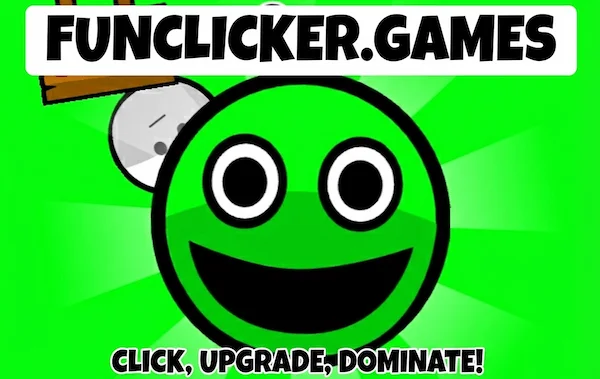
No discussion of horror clicker games can begin without Fun Clicker by Voidder. Originally created on Scratch and now playable on funclicker.games, Fun Clicker is the game that proved horror and clicker mechanics could not only coexist but amplify each other.
The premise is deceptively simple: you click a happy face. The counter goes up. Everything is cheerful — bright colors, upbeat music, a smiling character. But as your click count rises into the tens of thousands, hundreds of thousands, and eventually millions, the game undergoes a horrifying transformation. The face twists and distorts. The music becomes unrecognizable. The bright colors drain away into darkness.
What makes Fun Clicker brilliant isn't just the scares — it's the complicity. In a traditional horror game, scary things happen to you. In Fun Clicker, you are causing the horror. Every single click is a choice to go deeper, to see what happens next, to push past your discomfort. The game exploits the same compulsion that makes all clicker games addictive, but channels it into something much darker.
Fun Clicker went viral on YouTube, with creators like Bijuu Mike recording their genuine reactions as the game transformed around them. The videos accumulated millions of views, and suddenly horror clicker games were a recognized genre.
You can experience Fun Clicker yourself on funclicker.games.
The Psychology of Horror Clickers
Why does the horror-clicker combination work so well? The answer lies in how both genres manipulate the same psychological mechanisms.
Anticipation and Dread
Clicker games are built on anticipation. You click because you're waiting for the next upgrade, the next milestone, the next big number. Horror games are also built on anticipation — the dread of what's coming next. Horror clicker games merge these two forms of anticipation into something uniquely powerful. You're clicking toward something you know will be frightening, but the clicker compulsion overrides your instinct to stop.
The Sunk Cost of Clicking
Once you've clicked 100,000 times, quitting feels like wasting all that effort. This sunk cost fallacy — a core driver of clicker game engagement — becomes a horror mechanic. You keep going not because you want to, but because you've already invested too much to stop. The game traps you with your own commitment.
Repetition and Vulnerability
Repetitive actions induce a mild trance state. When you're mechanically clicking over and over, your conscious defenses lower. You become more susceptible to sudden changes — a jumpscare, a visual glitch, a shift in audio. Traditional horror games struggle to scare players who are actively tense and alert. Horror clickers scare players who are lulled into a rhythm, making the disruptions far more effective.
Player Agency and Guilt
In most horror games, the player is a victim. In horror clicker games, the player is the perpetrator. You are choosing to click. You are causing the transformation. This creates a unique emotional response — not just fear, but guilt and responsibility. The horror feels personal because it is personal.
Other Notable Horror Clicker Games
Fun Clicker opened the floodgates, and the Scratch community responded with a wave of horror clicker games, each exploring the concept in different ways.
Don't Click
A direct response to Fun Clicker, Don't Click literally warns you not to click — but provides a giant clickable button. The tension comes from the explicit warning versus the irresistible temptation. Each click escalates the consequences, with increasingly dire warnings and disturbing imagery.
Smile Clicker
Smile Clicker features an evolving smile that becomes increasingly grotesque as you click. It's more focused on body horror than Fun Clicker's atmospheric approach, with the smile stretching and distorting in uncomfortable ways.
Clicker of the Dead
This one combines zombie horror with clicker mechanics. Click to survive waves of undead, but the more you click, the more the game world decays around you. It's less about jumpscares and more about creeping existential dread.
Happy Click Adventure
Don't let the name fool you. Happy Click Adventure starts as the most cheerful, colorful clicker imaginable before descending into surreal horror. It's heavily inspired by Fun Clicker but adds branching paths and multiple horror routes.
Why Scratch Became Horror Clicker Central
It's no coincidence that the horror clicker genre emerged on Scratch, MIT's educational programming platform. Several factors made Scratch the perfect breeding ground:
Low Barrier to Creation
Scratch's visual programming language means anyone can make a game. You don't need to know JavaScript or C++ — you drag and drop blocks. This accessibility meant that young creators inspired by Fun Clicker could build their own horror clickers within hours or days.
Young, Impressionable Audience
Scratch's primary audience is kids and teenagers — exactly the demographic most susceptible to the horror-clicker combination. The thrill of playing something scary on an educational platform added a layer of subversive excitement.
Remix Culture
Scratch encourages remixing — taking someone else's project and modifying it. This meant Fun Clicker's code could be studied, adapted, and reimagined by thousands of creators, each adding their own twist. The genre evolved at an incredible pace through this collaborative creation.
The Forbidden Fruit Factor
Scratch is often used in schools. Playing a horror game on a platform your teacher told you to use for math projects? That transgressive thrill amplified the appeal of horror clickers enormously. The games spread through schools like wildfire, passed from student to student.
Community Validation
Scratch's built-in social features — likes, favorites, comments — provided immediate feedback for creators. Successful horror clickers quickly rose to the platform's trending pages, encouraging more creators to try the genre.
The Anatomy of a Perfect Horror Clicker
After analyzing dozens of horror clicker games, we've identified the key elements that separate great ones from mediocre ones:
1. The Innocent Beginning
The best horror clickers start genuinely cheerful. Not ironically cheerful or obviously-going-to-be-scary cheerful — sincerely, convincingly happy. The longer the player believes the game is innocent, the more powerful the eventual horror.
2. Gradual Transformation
The transition from happy to horrifying must be gradual. If the game becomes scary too fast, the player hasn't had time to develop the clicker compulsion. If it takes too long, the player gets bored. Fun Clicker nails this pacing — changes are barely perceptible at first, then accelerate.
3. Audio Design
Sound is where horror clickers succeed or fail. The music must transform alongside the visuals, and subtle audio cues create subconscious unease before the player consciously registers anything wrong. Distortion, pitch shifting, and reversed audio are common techniques.
4. Player Complicity
The player must feel responsible. The clicking must clearly be causing the horror. This isn't a game where scary things happen — it's a game where you make scary things happen.
5. Reward for Persistence
The best horror clickers give players who push through the fear something worthwhile — a surprising ending, a hidden secret, a narrative revelation. Fun Clicker's four endings reward persistence with unique experiences.
The Future of Horror Clicker Games
The horror clicker genre is still young, and there's enormous room for innovation. Here's where we see it heading:
Multiplayer Horror Clickers
Imagine a horror clicker where everyone in a lobby is clicking together, and the collective click count drives the horror for everyone. The social pressure to keep clicking — and the shared experience of escalating dread — could be incredible.
AI-Driven Adaptation
With advances in AI, future horror clickers could adapt their scares to individual players. Monitoring click speed, hesitation patterns, and play duration to time scares for maximum impact. A game that learns what frightens you specifically.
Narrative Depth
Fun Clicker hinted at storytelling potential, but there's room for much more. Horror clickers could tell complex narratives where clicking represents obsession, addiction, or compulsion — themes that mirror the actual mechanic.
VR Horror Clickers
The intimacy of VR combined with the compulsion of clicking could create something genuinely overwhelming. Imagine clicking a button in virtual reality as the world around you transforms into a nightmare.
Beyond Scratch
As the genre matures, we'll see horror clickers built with more powerful tools — Unity, Godot, custom web engines. These will enable more sophisticated horror techniques: 3D environments, dynamic lighting, procedural generation.
Why We Can't Stop Playing
Horror clicker games tap into something fundamental about human nature: our inability to resist forbidden knowledge. We click because we have to know what happens next, even when — especially when — we know it will be frightening.
The genre is a mirror held up to our relationship with all addictive mechanics in gaming. Every loot box, every gacha pull, every social media refresh is a click that might reward or punish us. Horror clickers just make the punishment literal and visual.
If you haven't experienced the genre yet, start with Fun Clicker on funclicker.games. Put on headphones, turn off the lights, and click. Just remember — every click is your choice.
And that's what makes it scary.